
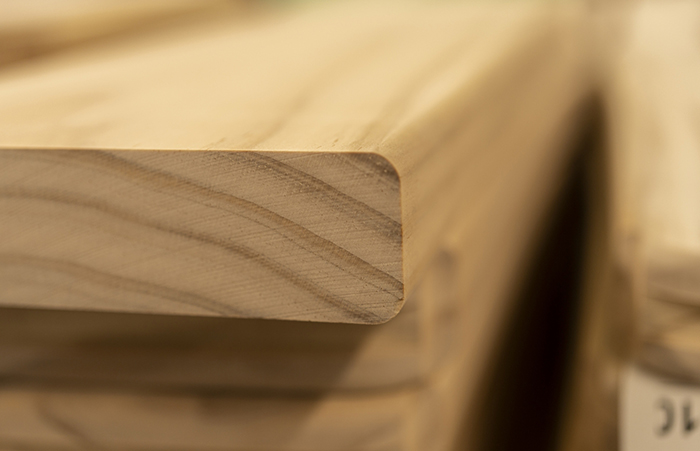
We’ve been getting a lot more requests for Accoya recently especially on external windows and doors.
It’s gone from something we’d only see every now and again to something people are actually asking for by name when they enquire, in this post we will deep dive more about Accoya and it’s properties.
Why is it being requested
A lot of it is people wanting something that lasts longer and performs better over time. We are seeing more homeowners doing their research before they get in touch, especially on external timber work.
Most of it comes down to avoiding the usual issues with timber movement like swelling and paint breakdown. Once people start looking into that, Accoya tends to come up because it is known for being more stable and consistent in how it behaves.
How it’s made
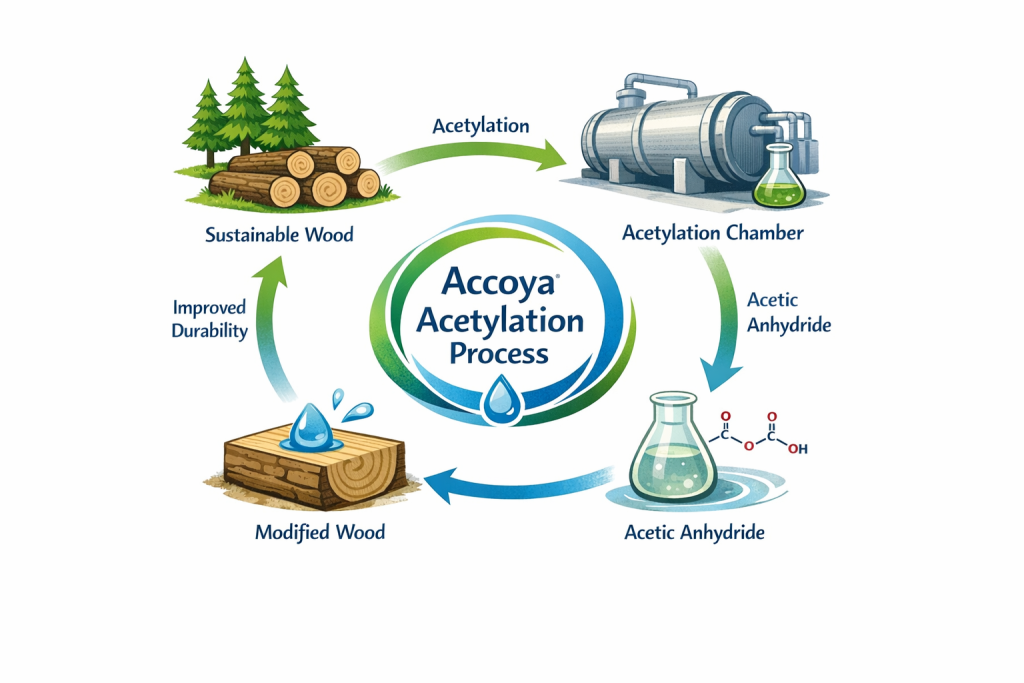
Accoya is a softwood that’s been treated through a process called acetylation. Basically, it changes the structure of the timber so it doesn’t absorb moisture in the same way as normal wood.
Because it takes on less moisture, you get a lot less swelling and shrinking, which is where most of the long term issues with timber normally come from.
How it is used and our views
We are mainly seeing it used on external doors, windows, cladding and feature work. Basically anything that is exposed to the weather or where timber movement over time can become an issue. It is not replacing everything we do but it is definitely coming through more on the right type of jobs.
From our point of view we do like using Accoya, although it is a bit pricey. Good design, accurate machining and proper fitting matter just as much as the material itself. It is becoming another solid option we are seeing more often now rather than something niche.